Lessons in Teaching Piano Lessons: Part 2
You’re Not Fooling Anyone

Twenty-plus years of teaching piano lessons, having raised four children with varying personalities, and the fact I thought I was a convincing liar as a kid, has earned me the discernment to know when kids AND adults are trying to pull a fast one.
When teaching piano lessons, there are three possible scenarios where my students approach their confessions of not practicing the amount of time specified each week.
- “Yeah, I practiced.”
- “I practiced 3, no!—2 days this week . . . well, I mean, we were busy, and my mom told me I couldn’t practice because the baby was sleeping . . . so, maybe 1 day. But I practiced 10 times that one day.”
- “I didn’t practice at all.”
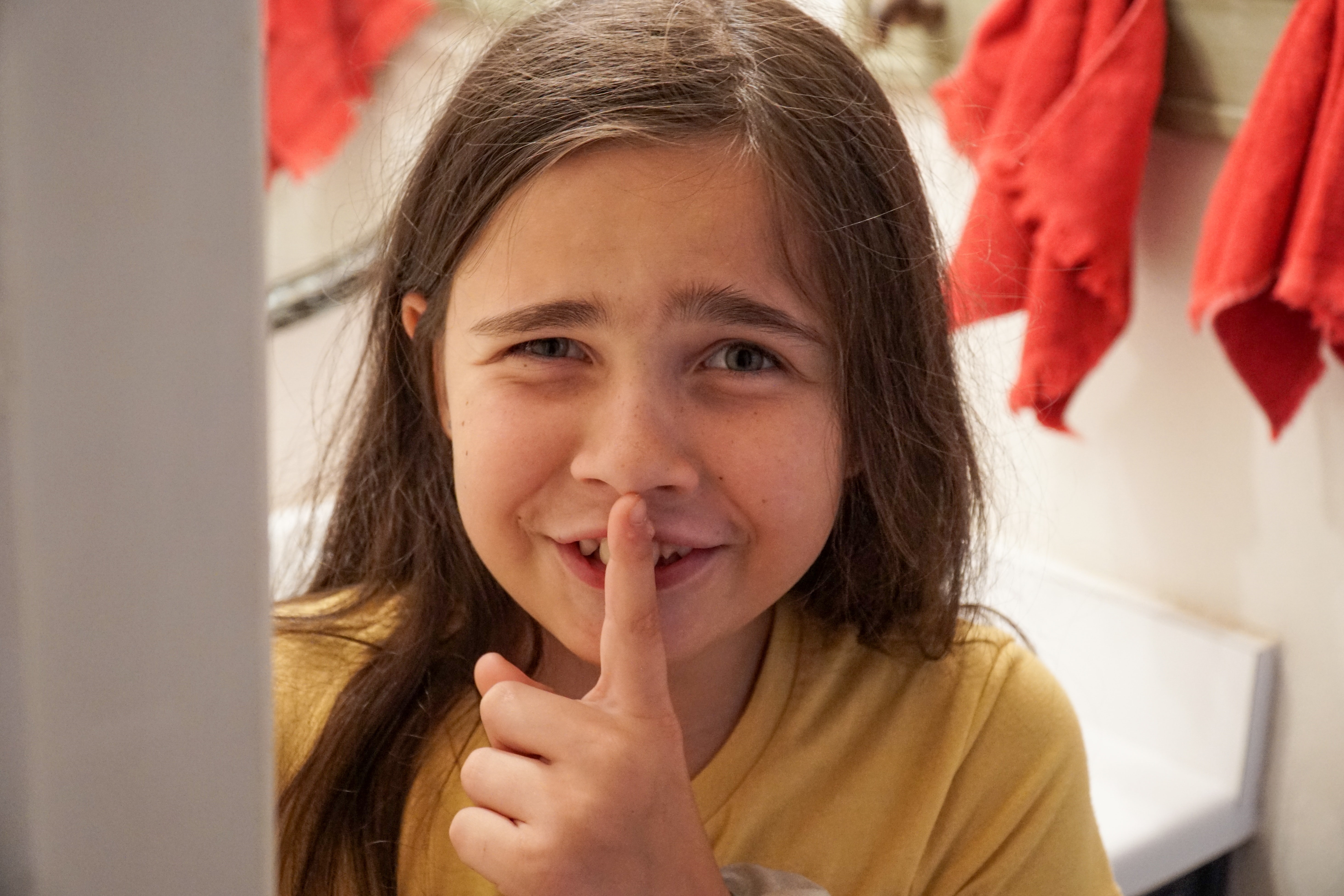
To help encourage a successful lesson, I reward (bribe) students with candy from my candy jar. Each week, they have an opportunity to earn two pieces of candy by the end of their lessons: 1 for staying on task and listening during the lesson, and 1 more for having a good practice week. If they lie, and I can tell they’ve barely looked at the music, I take away a piece of candy. If they didn’t practice well and tell me the truth up front, they will still receive an extra piece of candy because honesty should be rewarded. At that point, I know which direction to take the remainder of the lesson, and trust is built between teacher and student.
So, how to apply this to writing? In our writing communities, and life in general, we might feel a little competitive, our pride swells, and we downplay, lie about, or cover up any weaknesses we might have. Well, I hate to break it to anyone reading this, but . . . YOU’RE NOT FOOLING ANYONE. The anyones you are trying to impress have been writing, reading, or editing long enough to spot weaknesses in your writing and call you out, consequences pending.
As we strive to progress in the world of writing, we need to remember honesty in our interactions with those we hope to learn from. This is exactly how our weaknesses become strengths! We mustn’t fear opening up and exposing ourselves to the very people who can help us. Writing communities are meant to encourage, uplift, and teach. If honest relationships are cultivated, trust grows, allaying fear and allowing us to be confident teachers and vulnerable students.

May we ever be able to face our weaknesses, own them, and seek to improve with the help of those who know, those who will not be fooled. The rewards just might surpass a pick from the candy jar.